 Aldrin
Understanding Seedling Distribution
What Is Seedling Distribution?
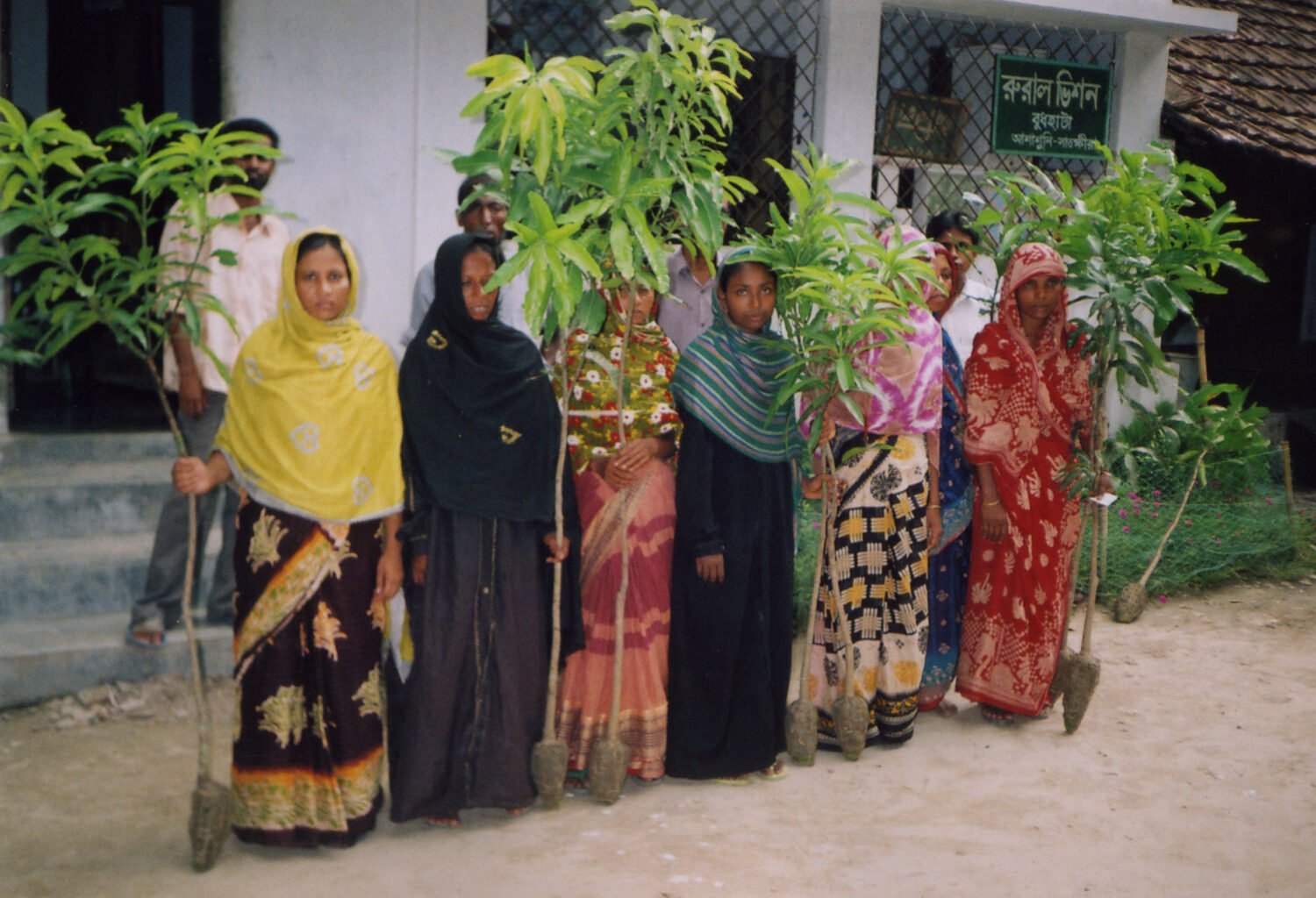
Seedling distribution refers to the organized process of supplying young plants—already germinated and partially grown—to farmers, growers, or agricultural institutions for further cultivation. Unlike seeds, which require germination under controlled conditions, seedlings are more resilient and offer a head start in the growing cycle. This system ensures that farmers receive healthy, viable plants ready for transplantation, significantly reducing the uncertainty associated with seed germination.
Think of seedlings as “pre-built engines” instead of raw materials. Instead of starting from scratch, farmers get a partially developed crop that already has momentum. This not only improves efficiency but also reduces crop failure risks. In modern agriculture, especially in regions facing unpredictable climate conditions, distributing seedlings has become a practical solution for ensuring stable yields.
Seedling distribution plays a vital role in delivering improved plant varieties to farmers. According to agricultural research, seeds and planting materials are the primary carriers of genetic innovation, helping farmers access higher-yielding and climate-resilient crops . By extension, seedlings act as an even more reliable medium for transferring these benefits because they have already passed the most vulnerable stage of plant life.
Difference Between Seed and Seedling Distribution
At first glance, seed and seedling distribution might seem like two sides of the same coin. But when you dig deeper, the differences are significant and impactful. Seed distribution involves supplying raw seeds to farmers, who must then manage germination, early growth, and disease control. Seedling distribution, on the other hand, bypasses these initial hurdles by providing plants that are already growing.
This difference is not just technical—it’s practical. Seed distribution requires knowledge, time, and favorable conditions. A farmer must ensure proper soil moisture, temperature, and pest control. If any of these factors go wrong, germination rates can drop dramatically. In contrast, seedlings offer a survival advantage. Studies show that treated seeds can improve seedling emergence by as much as 91% and increase yields by around 21% , highlighting how critical early plant development is.
Another key distinction lies in risk management. Seedlings reduce uncertainty. For farmers with limited resources, especially smallholders, this reliability can make the difference between profit and loss. It’s like choosing between building a house from raw bricks versus moving into a semi-finished structure—you save time, reduce risk, and increase chances of success.
Importance of Seedling Distribution
Enhancing Crop Productivity
Seedling distribution has a direct and measurable impact on crop productivity. When farmers receive healthy, disease-free seedlings, they start with a significant advantage. These seedlings are often cultivated in controlled environments such as nurseries, where conditions like temperature, humidity, and nutrients are optimized. As a result, the plants are stronger, more uniform, and better prepared for transplantation.
This uniformity translates into consistent crop growth. Imagine planting a field where every plant grows at the same rate, reaches maturity simultaneously, and responds similarly to fertilizers and irrigation. That’s the power of seedling distribution. It reduces variability, which is one of the biggest challenges in agriculture.
Additionally, seedlings often come from improved varieties that are bred for higher yields, pest resistance, and climate adaptability. Efficient seed distribution systems are crucial because the success of plant breeding programs depends heavily on how effectively these improved varieties reach farmers . Without proper distribution, even the best innovations remain unused.
Supporting Food Security
Food security is one of the most pressing global challenges, and seedling distribution plays a crucial role in addressing it. By ensuring that farmers have access to reliable planting materials, it helps stabilize food production. This is especially important in regions prone to climate shocks, pests, or resource constraints.
Seed distribution systems are considered a cornerstone of food security because they ensure that high-quality planting materials are available, accessible, and affordable . Seedlings take this one step further by increasing survival rates and reducing crop failure risks. When farmers can depend on consistent yields, communities become more resilient to food shortages.
Moreover, seedling distribution promotes crop diversity. By providing a range of plant varieties suited to different conditions, it helps farmers adapt to changing environments. This diversity is essential for maintaining balanced diets and reducing dependency on a single crop. In simple terms, more reliable seedlings mean more reliable food on the table.
Types of Seedling Distribution Systems
Formal Distribution Systems
Formal seedling distribution systems are structured, regulated, and often backed by government policies or large agricultural organizations. These systems involve certified nurseries, quality control measures, and standardized procedures to ensure that seedlings meet specific criteria. The goal is to maintain genetic purity, health, and performance.
In formal systems, seedlings are usually distributed through official channels such as agricultural extension services, licensed dealers, or government programs. This ensures accountability and traceability. Farmers know exactly what they are getting, and there are mechanisms in place to address issues like poor quality or disease.
However, formal systems can sometimes be limited in reach. In many developing regions, infrastructure challenges and high costs prevent smallholder farmers from accessing these services. Despite these limitations, formal systems remain essential for scaling agricultural innovation.
Informal Distribution Systems
Informal systems, often referred to as local or traditional systems, operate outside formal regulations. Farmers exchange seedlings among themselves, purchase them from local markets, or grow their own nurseries. These systems are deeply rooted in community networks and cultural practices.
Interestingly, informal systems dominate in many parts of the world. Research shows that smallholder farmers rely heavily on local seed systems for their planting materials . These systems are flexible, accessible, and often more affordable than formal alternatives.
But there’s a trade-off. Informal systems may lack quality control, leading to variability in plant performance. Diseases can spread more easily, and genetic purity may not be maintained. Still, their adaptability makes them indispensable, especially in rural areas.
Hybrid Distribution Models
Hybrid systems combine the strengths of formal and informal approaches. They involve collaboration between governments, private companies, and local communities to create more inclusive distribution networks. For example, certified seedlings might be distributed through local vendors or community-based organizations.
These models aim to balance quality and accessibility. They recognize that while formal systems provide reliability, informal systems offer reach and flexibility. By integrating both, hybrid models create a more resilient and efficient distribution network.
Key Stakeholders in Seedling Distribution
Government Agencies
Governments play a central role in seedling distribution by setting policies, funding programs, and ensuring quality standards. They often run large-scale distribution initiatives, especially in times of crisis or to promote specific crops.
Private Sector Companies
Private companies bring innovation, efficiency, and investment into the system. They develop improved plant varieties and establish distribution networks that reach a wide range of farmers.
NGOs and Community Groups
Non-governmental organizations and community groups act as bridges between farmers and formal systems. They often focus on marginalized communities, ensuring that even the most vulnerable farmers have access to quality seedlings.
Methods of Seedling Distribution
Direct Distribution
Direct distribution involves supplying seedlings straight from producers to farmers. This method allows for better quality control and direct feedback.
Retail and Multi-Level Channels
Distribution can also occur through multiple layers, including wholesalers and retailers, creating a broader reach. This multi-level approach helps expand access but may introduce quality variations .
Seed Fairs and Voucher Systems
Innovative approaches like seed fairs allow farmers to choose seedlings based on their needs. Voucher systems empower farmers while supporting local markets .
Role of Technology in Seedling Distribution
Technology is transforming seedling distribution in ways that were unimaginable a decade ago. Digital platforms now connect farmers directly with suppliers, allowing them to order seedlings, compare prices, and access information about best practices. Mobile apps provide real-time updates on weather conditions, helping farmers decide when to plant and what varieties to choose.
Supply chain innovations are equally impactful. From cold storage systems to GPS tracking, technology ensures that seedlings reach farmers in optimal condition. This reduces waste and improves efficiency. Imagine ordering seedlings online and receiving them fresh, healthy, and ready to plant—that’s becoming a reality.
Challenges in Seedling Distribution
Accessibility Issues
Despite its benefits, seedling distribution faces significant challenges. Many farmers, especially in remote areas, struggle to access quality seedlings. Poor infrastructure, high transportation costs, and limited awareness are major barriers.
Quality Control Problems
Maintaining quality is another critical issue. Without proper regulation, seedlings may be infected with diseases or fail to meet performance standards. This can lead to crop failures and financial losses.
Climate Change Impacts
Climate change adds another layer of complexity. Changing weather patterns affect seedling survival rates and distribution timing. Farmers must adapt quickly, and distribution systems must become more flexible.
Seedling Distribution in Developing Countries
Smallholder Farmers and Access Issues
In developing countries, smallholder farmers form the backbone of agriculture. However, they often lack access to quality planting materials. Seed systems are crucial because they serve as an entry point for improving productivity, nutrition, and resilience .
Case Study Insights
Studies show that seed aid programs can sometimes have mixed results. While they provide immediate relief, they may also disrupt local markets if not implemented carefully . This highlights the importance of designing sustainable distribution systems.
Economic Impact of Seedling Distribution
Market Growth and Investment
The global seed market is valued at around $60 billion and is projected to reach $80 billion, reflecting the growing importance of seed systems . Seedling distribution is a key component of this growth.
Income Generation for Farmers
Access to quality seedlings increases productivity, which in turn boosts farmers’ income. When farmers can produce more with fewer losses, they achieve better financial stability.
Future Trends in Seedling Distribution
Sustainable and Organic Seedlings
There is a growing demand for organic and eco-friendly seedlings. Farmers are increasingly adopting sustainable practices to protect the environment.
Climate-Resilient Varieties
Climate-resilient seedlings are becoming essential. These varieties can withstand extreme conditions, ensuring stable production even in challenging environments.
Conclusion
Seedling distribution is more than just a logistical process—it’s the lifeline of modern agriculture. It connects innovation with implementation, ensuring that farmers have access to the tools they need to succeed. From boosting productivity to enhancing food security, its impact is profound and far-reaching. As technology advances and global challenges evolve, the importance of efficient and sustainable seedling distribution will only continue to grow.
FAQs
1. What is seedling distribution?
Seedling distribution is the process of supplying young, pre-grown plants to farmers for transplantation and cultivation.
2. Why is seedling distribution important?
It improves crop survival rates, enhances productivity, and supports food security.
3. What are the main types of seedling distribution systems?
Formal, informal, and hybrid systems.
4. How does technology help in seedling distribution?
Technology improves supply chains, connects farmers with suppliers, and provides real-time agricultural data.
5. What challenges affect seedling distribution?
Accessibility issues, quality control problems, and climate change impacts.

 Aldrin