 Aldrin
Understanding Working Children and Child Labor
When we talk about working children, we’re stepping into a complex reality that isn’t always black and white. Not every child who works is necessarily exploited. Some help their families in harmless ways—like assisting in a small shop or doing light chores. But here’s where the line gets serious: when work becomes harmful, excessive, or blocks education, it turns into child labor.
Think of it like this—imagine a child trying to carry a load meant for an adult. At first, it might seem manageable, but over time, it crushes their potential. That’s exactly what happens when children are forced into labor that interferes with their development. According to international definitions, child labor includes work that is mentally, physically, socially, or morally dangerous, or interferes with schooling.
Now, why does this matter so much? Because childhood isn’t just a phase—it’s the foundation of a person’s future. When children are stuck working long hours instead of learning, they’re robbed of opportunities that could lift them out of poverty. The ripple effect continues for generations.
In many regions, including South Asia, working children are a common sight—selling goods on the streets, working in factories, or helping in agriculture. While some families see it as survival, the long-term consequences are severe. The key challenge is balancing economic realities with children’s rights, and that’s exactly where intervention programs step in to change the story.
Global Statistics and Current Scenario
Let’s talk numbers—but not just numbers, real lives behind them. Recent data shows that around 138 million children were engaged in child labor globally in 2024, with about 54 million involved in hazardous work that threatens their health and development . That’s not just a statistic—it’s nearly the entire population of a large country.
What’s even more striking is where these children are working. About 61% are in agriculture, while others are scattered across services and industrial sectors . Picture fields, factories, and bustling markets—these are not playgrounds, yet millions of children spend their days there.
In developing countries, the situation becomes even more intense. Take Bangladesh, for example, where surveys indicate increasing numbers of children entering labor due to economic pressure . Urban streets and rural areas alike reflect this reality—children juggling survival and lost opportunities.
Despite some progress—like a reduction of over 20 million child laborers since 2020—the world still missed its target of eliminating child labor by 2025 . That tells us something important: while efforts are working, they’re not working fast enough.
This is where intervention programs become crucial. They’re not just about removing children from work—they’re about replacing that work with education, safety, and hope. Without targeted action, these numbers won’t just remain—they could grow again.
Root Causes of Child Labor
If we want to solve a problem, we have to understand its roots. And child labor? It doesn’t happen randomly—it’s deeply connected to systemic issues.
The biggest driver is poverty. Imagine a family struggling to put food on the table. When survival is on the line, sending a child to work becomes less of a choice and more of a necessity. It’s a harsh trade-off: immediate income versus long-term opportunity.
Then there’s lack of access to education. Schools may be too far, too expensive, or simply unavailable. Even when schools exist, poor quality education discourages attendance. If a child doesn’t see value in school, work starts to look like the only viable option.
Other factors also play a role—cultural norms, weak law enforcement, and economic instability. In some communities, child labor is normalized. It’s seen as part of growing up, not something harmful.
Here’s the tricky part: these causes are interconnected. Poverty leads to lack of education, which leads to more poverty. It’s a cycle that feeds itself.
Breaking this cycle requires more than just banning child labor. It requires intervention programs that address these root causes—programs that support families, improve education, and shift societal attitudes. Without tackling the foundation, any solution is just temporary.
What Is an Intervention Program?
So, what exactly is an intervention program for working children? Think of it as a rescue plan—but not just pulling children out of work. It’s about rebuilding their entire environment so they don’t have to go back.
At its core, an intervention program aims to:
- Remove children from harmful work
- Provide access to education
- Support families economically
- Ensure long-term protection
But here’s the interesting part—these programs come in many forms. Some focus on education, others on financial support, and many combine multiple approaches.
For example, one program might offer free schooling and meals to attract children away from work. Another might provide financial aid to families so they don’t rely on their child’s income. Some even involve community awareness campaigns to change mindsets.
The best intervention programs are holistic. They don’t just treat the symptoms—they address the entire ecosystem around the child.
Think of it like fixing a leaking roof. You don’t just wipe the water—you repair the roof, reinforce the structure, and prevent future damage. That’s what effective intervention programs do for working children.
Educational Intervention Programs
Education is often called the most powerful weapon against poverty—and in the case of working children, it’s also the strongest shield.
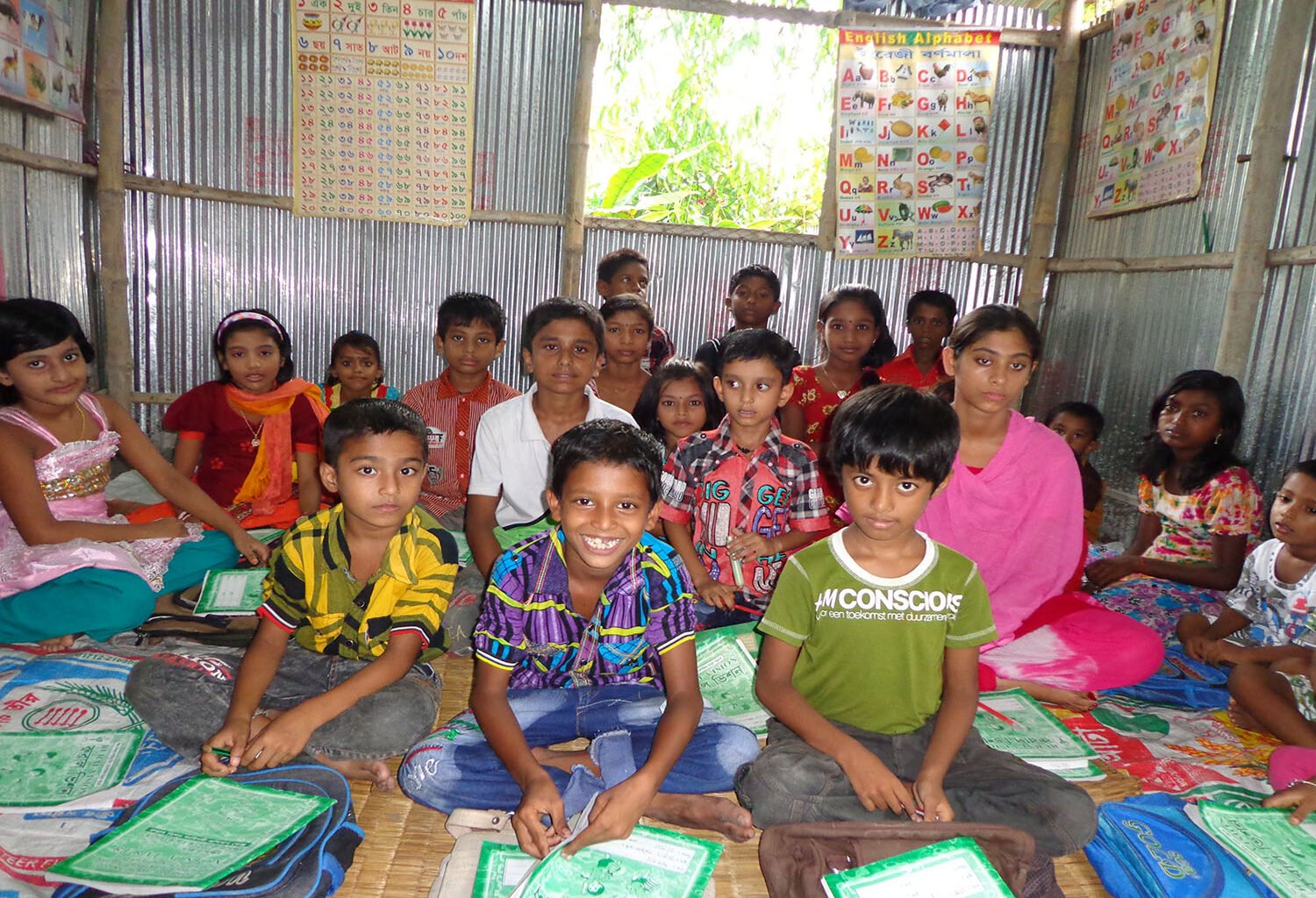
Educational intervention programs focus on bringing children back into learning environments. But it’s not as simple as enrolling them in school. Many working children have missed years of education, so jumping into a regular classroom can feel overwhelming.
That’s where non-formal education models come in. These programs offer flexible schedules, accelerated learning, and practical skills. They meet children where they are, instead of forcing them into rigid systems.
Another key strategy is bridging education—helping children transition from work to formal schooling. These programs act like a bridge between two worlds, gradually preparing children for academic life.
What makes these programs effective is their adaptability. They consider the child’s background, learning level, and emotional needs.
And let’s not forget the psychological impact. Education doesn’t just teach reading and writing—it builds confidence, self-worth, and hope. For many children, stepping into a classroom is the first step toward a completely different future.
Economic Support Interventions
Here’s a hard truth: you can’t eliminate child labor without addressing family income. If a child’s earnings are essential for survival, removing them from work without support can actually harm the family.
That’s why economic intervention programs are so critical.
One popular approach is conditional cash transfers (CCTs). Families receive financial assistance on the condition that their children attend school. It’s a simple yet powerful idea—replace the child’s income with a safer alternative.
Another strategy is livelihood support for parents. This includes job training, microfinance, and small business support. When parents earn more, children don’t have to work.
These programs act like a safety net. They reduce the economic pressure that drives child labor in the first place.
Interestingly, research shows that investing in families can have long-term benefits. It’s not just about stopping child labor today—it’s about preventing it for future generations.
Community-Based Intervention Programs
Sometimes, the most effective solutions come from within the community itself.
Community-based programs focus on changing attitudes and behaviors at the local level. They involve community leaders, parents, and even children in the process.
Local organizations play a huge role here. They understand cultural nuances and can design interventions that resonate with the community.
Awareness campaigns are also key. When people understand the long-term harm of child labor, they’re more likely to support change.
Think of it like planting seeds. Change doesn’t happen overnight, but with consistent effort, it grows.
Government Policies and Legal Frameworks
Laws against child labor exist in many countries—but enforcement is often the weak link.
Governments play a crucial role in:
- Enforcing labor laws
- Providing free education
- Offering social protection programs
Strong policies create a foundation for intervention programs to succeed. Without legal backing, efforts can fall apart.
Role of NGOs and International Organizations
Organizations like UNICEF and the ILO are at the forefront of combating child labor. They design programs, fund initiatives, and provide technical support.
Their work highlights an important point: solving child labor requires global cooperation.
Challenges in Implementing Intervention Programs
Even the best programs face obstacles. Cultural resistance, lack of funding, and weak infrastructure can slow progress.
It’s not just about designing programs—it’s about sustaining them.
Measuring Success of Intervention Programs
Success isn’t just about numbers. It’s about long-term impact—education, well-being, and opportunities.
Future Strategies and Innovations
Technology, data-driven approaches, and stronger policies will shape the future of intervention programs.
Conclusion
Intervention programs for working children are more than policies—they’re lifelines. They transform lives, break cycles of poverty, and create opportunities where none existed before. The challenge is massive, but the solution is clear: combine education, economic support, and community engagement to build a future where no child has to choose between survival and childhood.
FAQs
1. What is the main goal of intervention programs for working children?
To remove children from harmful labor and provide education, protection, and family support.
2. Why do children work instead of going to school?
Mainly due to poverty, lack of access to education, and social norms.
3. Are all working children victims of child labor?
No, only work that is harmful or interferes with education is considered child labor.
4. How do cash transfer programs help reduce child labor?
They provide financial support to families, reducing the need for children to work.
5. Can child labor be completely eliminated?
Yes, but it requires strong policies, sustained funding, and global cooperation.

 Aldrin